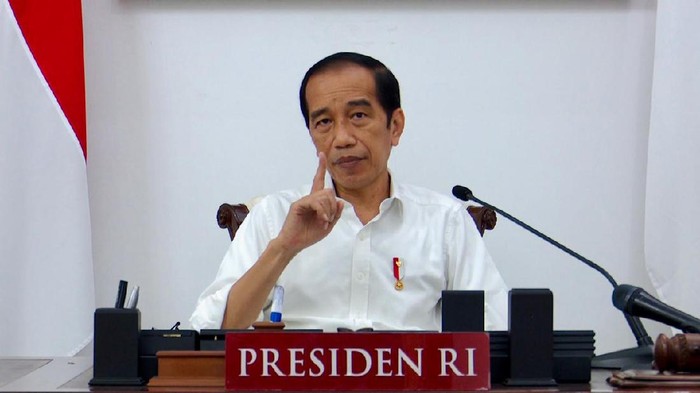
FAITH IN INDONESIA

FAITH IN INDONESIA
The shape of the world a generation from now will be influenced far more by how we communicate the values of our society to others than by military or diplomatic superiority. William Fulbright, 1964
Showing posts with label Ma'ruf Amin. Show all posts

Wednesday, January 31, 2024

GETTING CLOSER, NASTIER

 SHAFTED BY ETIQUETTE

Just a fortnight to Indonesia’s big 14 February election and the mood is shifting as more than 200 million electors realise the reality - they’re being played by the oligarchs like puppets.


Last month this column was getting ahead of itself by speculating that front-runner Prabowo Subianto, 73,  a cashiered former general from last century's politics, had snatched a tactical victory by recruiting Gibran Rakabuming Raka, 36,  as his candidate for vice president.

The former mayor of Solo in Central Java is the eldest son of the popular current president Joko ‘Jokowi’ Widodo constitutionally barred from a third five-year term.

Through pairing with Gibran,  Prabowo planned to capture the youth vote by appealing to the majority under - 40 cohort - people he knows little about.  His only son from a failed marriage with Soeharto's daughter is fashion designer and socialite Didit Hediprasetyo who lives in Europe.

For a while, it worked till electors remembered that vice presidents in the past have been powerless. The current holder was drawn from an Islamic group to give Jokowi an  image of a pious leader and offset slurs that he's a Christian Communist in disguise.

This was the tactic used at the 2019 election.  At the time Jokowi was promoting himself as an action man fixing the nation's crumbling infrastructure, more comfortable in a hard hat talking to engineers with clipboards rather than priests with holy books.

Bit too secular for the hard-liners parading themselves as the nation's moral arbiters, so Islamic scholar Ma'ruf Amin was shanghaied as vice president.  
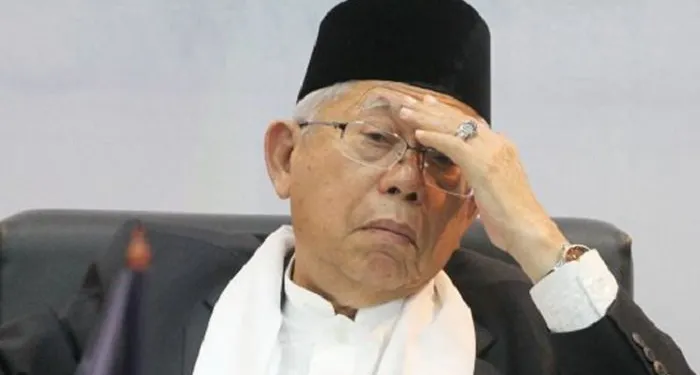


Now 80 he's the Republic's oldest VP.  If he's done anything in the job other than chant Koranic verses with fellow scholars and fathered nine kids he's aroused no interest in the wider public.


Credit:  Daily News Indonesia

In earlier times he tried to stop Muslims saying Merry Christmas to unbelievers.  His reputation floundered when he was videoed breaking his own rule.

The idea that he might take over should Jokowi tumble under a high-speed Chinese train while commissioning another new track was worrying indeed, for the man has no known administrative abilities or wider interests apart from religion and English football.  To be precise - Liverpool.

Gibran doesn’t easily fit the traditional job description:  He defied his Dad’s desire that he take over the family furniture business and instead started his own catering company, suggesting he wants to go his own way.  It has reportedly earned him more than Papa’s woodworking.

Gibran has no military background and despite his promoters' attempts to show him as a fun fellow from a bang-bang smartphone game, he comes across as dour and serious Suddenly he’s revealed a cynical side that worries the public - if social and mainstream media responses are any guide.

In the last TV debate, he used sarcasm - a common tactic in Western culture and maybe picked up when he was apparently a  University of Technology Sydney student though he graduated in Singapore in 'management development'.

At the TV studio, Gibran peered around the podium claiming he was looking for the policies of his opponents.  He also flummoxed them by asking about 'greenflation' a trendy Western economic term so new it's still being defined.

Not funny. Voters were reminded that Javanese etiquette requires the young to respect the old.  The two VP candidates the subject of his sneers were Muhaimin Iskandar, 57, a former Minister for Manpower, and Mohammad Mahfud Mahmodin, 66, a legal academic.  

Gibran bowed and kissed their wrists before the debate started, then started punching, turning from a polite young man to a smart arse-and that’s not the Javanese way.

 His enrolment may yet turn out to be an impediment to Prabowo’s ambition to U-turn Indonesia back to the days when the military ruled.

Indonesian schools teach a warped version of history where the army in 1965 saved the nation from a real or imagined Communist takeover.  Doubting this account was considered heretical.

The genocide of half a million real or imagined Reds and their mates by army-directed militias is rarely mentioned.

Only now are some daring to question the government’s rigid portrayal of the past, and wondering about Prabowo’s role in the disappearance of 13 students protesting in 1998 against Soeharto’s 32-year authoritarian rule.

Slowly this other history is creeping into the discussions despite Prabowo reminding critics that he’s never been charged with human rights abuses, though the accusations were so strong he was barred from the US.  That’s something only those who lived through the era of fear remember.

Bright, young modern Gibran risks his reputation by tolerating this association.

But maybe few care.  Like Trump supporters, they reject every wrongdoing of their hero.  If he did bad things decades ago then they must have been necessary.

Two weeks more to secure a lead - or stuff up again.  One more TV debate to go on 4 February.  The tea-leaf readers reckon no clear winner so a run-off on 26 June. If right, tense times loom.


 Duncan Graham has an MPhil degree, a Walkley Award, two Human Rights Commission awards and other prizes for his radio, TV and print journalism in Australia. He lives in East Java.

First published in Pearls & Irritations, 31 January 2024: https://johnmenadue.com/shafted-by-etiquette/


Tuesday, August 24, 2021

COMMISERATION, NOT CELEBRATION


How the plague squashes patriotism       


It was weird, like the day after in a disaster movie.  Empty chairs on a red carpet and mike stands sans mikes.  Not a VIP within coo-ee, though their black limos were parked outside the Malang town hall. This was Indonesia’s national day, 17 August and no one was partying.

Eventually, ten guys in a cycling club turned up and sang the national anthem, Indonesia Raya to an empty road at 10 am.  Then the cops stopped the traffic while one played the music on his smartphone while holding a mike connected to a battery-powered speaker.  


Some saluted, others turned their motorbikes around and left for more important events.  Yet this little show was touching because it looked real while the Big Bangs of yesteryear were contrived affairs filled with bussed-in schoolkids.

The pandemic is scarifying Indonesia, and not just through death, pain, and bereavement. Apart from pushing the economy into recession and upending President Joko Widodo’s grand plans for administrative reform, it’s also hitting nationalism, faith and learning.

The world’s most populous Islamic state will never be the same once the virus has been tamed.

In better times the Republic’s birthday was celebrated with eruptions of pride and optimism, not quite Americans’ 4 July ebullience though heading that way.  Or was until Covid called.

Though the times are forbidding and the outlook grim, most strived for continuity, stringing up banners, bunting, ribbons and anything which might flap patriotism, brightening the streetscape.  Front fences were painted, verges weeded, and gaudy murals of gritty guerrillas refreshed.

The flag’s name is Merah-Putih (red and white) with its origins five centuries earlier when Java’s Majapahit kingdom used red and white stripes looking much like those on Old Glory.

The bicolour sewn by Fatmawati, the third of Soekarno’s nine wives, was fluttering outside his Jakarta house when the founding president proclaimed independence.  His short speech used to be re-read at city halls across the archipelago with goose steps and parade ground shouting of Merdeka (freedom).

Instead, we got a virtual performance on TV from Jakarta and a spontaneous display.  Apparently, bureaucrats decided to run a small show 90 minutes earlier and then retreat.

All pomp and joys have been paused for the second time.  Last year was lightened by expectations of a dawning ‘new normal’. That sun hasn’t risen. Now the mood is dour as citizens hang bendera kematian (white flags with black crosses) on gateways, hear the ambulance sirens and are shocked when familiar names are called through mosque loudspeakers.

Faith has been a casualty as the once sustaining certainties crumple.  While the Covid tsunami was surging across the northern hemisphere the then health minister Dr Terawan Agus Putranto assured all would be well provided the people prayed.

Although a Protestant he addressed a national Islamic conference to get his belief endorsed. Present was vice president Ma’ruf Amin who spoke of clerics – including himself - reciting the qunut (prayer against calamities).  He told journos: ‘That’s why the coronavirus is staying away from Indonesia.’

Instead, it rushed in with a roar louder than in nearby nations. Nor has the deity interceded as petitioned by Indonesia’s six approved faiths. Fatalists arguing the plague is the almighty’s curse on sinners, struggle to explain why carers are dying - 545 doctors and 445 nurses till the end of July.

One of the five pillars of Islam is making the pilgrimage to Mecca. (The others are living a godly life, praying, caring for others and self-purification.) In 2019 more than 220,000 flew to Saudi Arabia for the hajj. Millions want to participate but numbers are contained by quotas.

Last year and this year, Jakarta grounded flights to the kingdom, leaving a deep and lasting pain in individuals and their relatives. 

Extended families save for decades so one or two can make the overseas trip of a lifetime and return with the honorific Haji and new status. It’s usually the elderly who participate so thousands will now go to their graves without fulfilling their obligation of cleansing all sins before meeting their maker. 

Indonesians are communal people and seldom seen alone. Wakes draw crowds of mourners and prolonged prayer.  Now visits to comfort the sorrowful are banned.  Bodies can’t be washed by family. They’re interred in plastic-wrapped coffins.  They should be shrouded so the corpse is in contact with the earth.  The only witnesses are gravediggers.

Traditions once lost aren’t always recovered at full strength.


Most churches are shuttered with parishioners urged to head home, stay and pray.  Without the support of a congregation and inspiration from the pulpit, the spirit weakens.

Schools and unis are running online learning.   Indonesia has low internet penetration rate for the region.  Connections are mainly 3G and slow.  Censorship hampers learning – with Vimeo educational programmes banned because the hosting service won’t delete occasional nudity.

A major problem is with staff moving classroom techniques online, with disastrous results according to academics Muhammad Zuhdi and Stephen Dobson:

‘Many (teachers) have not been trained to give students full learning responsibilities within a normal classroom, never mind in an online environment. They have struggled to gain students’ attention over time ... They have found it even more challenging to assess whether students have been learning.’

So students are set weekly assignments and left to learn by themselves.  No big issue for the disciplined and determined with space to study and supportive elders, but others will flounder.

It’s difficult to tell how families are handling kids at home, though anecdotally not well. Only parents with skills, time and temperament, able to follow syllabi and maintain focus can cope. The fear is real: Teens who miss a year or more of education will be ill-equipped to help the nation’s recovery.

Even before Covid struck UNICEF was reporting around 4.4 million aged 7–18 missing school. A Lowy Institute 2018 review dubbed RI education ‘a high-volume, low-quality enterprise that has fallen well short of the country’s ambitions for an internationally competitive system.’

This year Education Minister Nadiem Anwar Makarim told the media he doesn’t want to see the ‘loss of an entire generation and the gap between the haves and have-nots becoming insurmountable:

‘Distance learning will at least in the short term have a negative impact on educational outcomes and qualities because it takes a long, long time for people to adapt to new ways of teaching and learning.’

Signs of any adaptation are still difficult to detect. But at least the Merah-Putih keeps flying.  Tragically so do the bendera kematian.

First published in Pearls & Irritations, 23 August 2021:  https://johnmenadue.com/how-the-plague-squashes-patriotism/


Friday, July 23, 2021

OMG - THIS IS REAL


                        Allah is calling.  Loudly


Vaksin Terbaik Diungkap Jokowi demi Bebas dari Pandemi

The new word on the block is Isoman, a portmanteau of isolasi and mandiri, meaning self-isolation.  It’s another place to die in Indonesia along with hospitals.

The awful Covid infection and death figures you’re reading in this column are wrong.  In the past week, the Republic has recorded about 50,000 new cases and 1,000 deaths a day.

Numbers were officially correct when keyboarded but overtaken while editing and publishing were underway.  But it’s all academic and blurring; five-digits are too big to imagine while the Australian outbreaks are small enough to grasp.

The original stats are invalid because there’s minimal coordination between Indonesia’s national and regional health authorities.  Hospitals forbid staff disclosing to journos, and testing isn’t free.

The cost – about two day’s wages for a construction worker and three or more for a home domestic – is deterrent enough.  So only the paranoid wealthy can afford to have swabs poked up their nostrils, and then wait two or three days for a result that may be suspect.

In May five employees of the State-owned Kimia Farma drug company were arrested for allegedly reselling used Covid nasal swab test kits. Police said nearly 9,000 passengers going through an airport in North Sumatra may have been hit by the scam running since late last year and netting AUD 170,000. Tempo magazine has reported police are also investigating the sale of false vaccination certificates. 

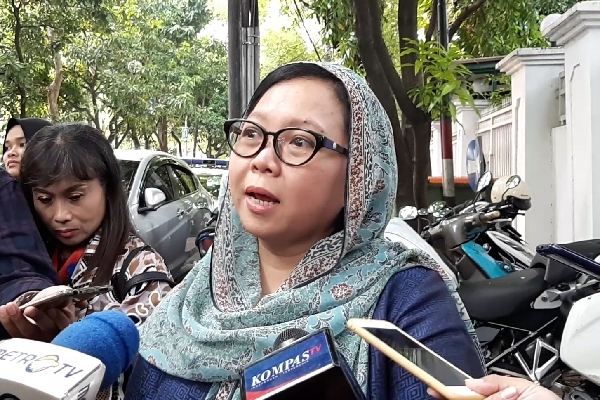
Alissa Wahid Ungkap Tantangan Pilpres 2024 dan Pesan Untuk Tokoh Pemimpin  Muda - Kabar24 Bisnis.com

Then there’s fear.  According to psychologist Alissa Wahid who’s heading an online petition urging the government to lift its game, many see hospitals not as institutions offering professional care, but graveyard waiting rooms.

So doctors are shunned by the nervous sick lest they’re referred to an infirmary.  Some prefer to self-isolate and seek treatment from traditional herb remedies known as jamu.  OK for menstrual cramps, but for viruses they have the success rate of Donald Trump’s bleach cure.

The current fads are coconut water and a brand of canned milk that won’t be named to avoid boosting sales, which may have been the intention.  Neither has been scrutinised by medical researchers, but even if they’d used overworked labs to test the products, reports by white coats would be dismissed as plots to kill the poor.

The stories are anecdotal, though often accompanied by smartphone pix.  The bodies of singles who shut themselves away from families and neighbours are only discovered when the smell gets too bad.  The culture of community care is being shoved aside as confused villagers fear infection, calling outsiders to remove corpses.

Wahid claims the Indonesian public education system teaches science and rational thinking badly. So the wong cilik (ordinary folk) trust holy books, the words of clerics and Anon ahead of papers in The Lancet, however high the researchers’ qualifications and thorough the peer reviews.


The self-appointed gurus, men in Islam and Catholicism though not in Protestantism and Buddhism, urge their flocks to pray intensely and ignore experts as fates are predetermined.  While washing hands and wearing masks should be encouraged as public health measures they’re no shield against the determination of the deity.

Politician Yaqut Cholil Qoumas told the media: ‘When the government puts out regulations that protect the people, they are mandatory.’ Legally the Religious Affairs Minister is correct.  In practice, he’d be better advised using his breath to cool his nasi bubur (rice porridge).


Last Tuesday was Idul Adha, the feast of the sacrifice when billies, rams and bulls were slaughtered and the meat distributed to the poor. The government said killings should be in abattoirs, but your correspondent saw the blood running in mosque forecourts watched by crowds smaller than last year.

As in Australia, communication has been a staggering stuff up.  The standard approach has been through street posters featuring men in khaki, their medal collections competing with the chests of Kim Jong-un’s fawning generals. The Indonesian army command is: ‘Stay inside’.  If the public obeyed they’d never see the billboards.

Wahid, the eldest daughter of fourth president Abdurrahman Wahid, has this motto: ‘Without integrity, no one listens; without trust, no one follows.’ The maxim seems to be playing out with a survey showing a sharp drop in approval for the way President Joko Widodo is handling the crisis, though his overall popularity remains intact.

Dr Djayadi Hanan, executive director of the independent NGO Lembaga Survei Indonesia (Indonesian Survey Institute) which ran the poll, said trust in the government was important to enforce programmes and orders.

These included the closure of mosques and churches.  Within a day the direction was flipped after Vice President and former Islamic scholar Ma’ruf Amin intervened. 

Scores of textile, garment, footwear and leather goods factories are ignoring lockdown rules according to union boss Dian Septi Trisnanti. He told the broadsheet Kompas that factory clusters have become an aggressive source of spread.

Public anger is getting so hot the needle is flicking into the red zone.  Proof came when Coordinating Maritime Affairs and Investment Minister Luhut Pandjaitan apologised. Like all leaders infected with Virus Infallibilitate, till now he’s found ma’af (sorry) one of the hardest words in the language.

During a media conference on 12 July and sounding much like an Oz politician caught out behind, Pandjaitan blustered: ‘If someone says that the situation is out of control, it is very much under control. So those who talk about it being out of control can come to me. Later I will show them that we are under control.’

Five days later he swallowed the penitent pill: ‘As the coordinator of the Java Bali Emergency, from the bottom of my heart, I apologize to all Indonesian people if it is still not optimal. But I along with the ranks and with the relevant ministers will continue to work hard to ensure that the spread of the Delta variant can be reduced.’

Pandjaitan would never make it in Canberra.

First published in Pearls & Irritations, 23 July 2021: 
https://johnmenadue.com/allah-is-calling-loudly-in-indonesia/